

|
Quantity
|
Out of stock
|
||
|
|
|||
|
|
|||
Veterinary X-ray Machines
Veterinary X-ray machines remain one of the most essential diagnostic tools in clinical practice. These systems provide fast, detailed imaging that supports the diagnosis of a wide range of conditions in small and large animals. Modern veterinary radiography equipment is designed to meet professional standards for image quality, safety, and efficiency, whether used in stationary clinics, emergency settings, or mobile veterinary units.
Types of X-ray Systems for Veterinary Use
A wide variety of veterinary X-ray machines are available to suit different workflows and practice sizes:
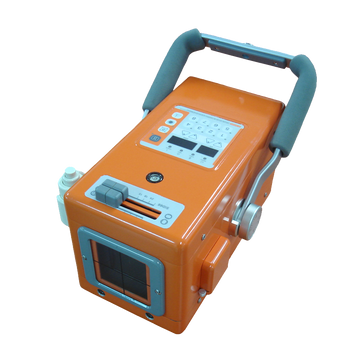
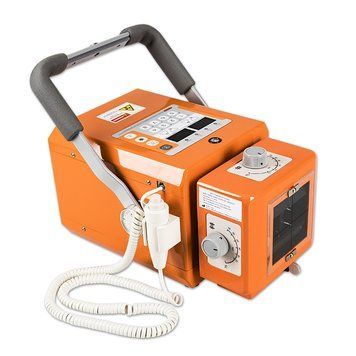
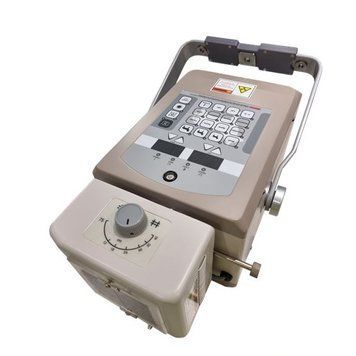
- Mobile X-ray systems for flexible, on-site diagnostics
- High-frequency portable radiography units
- Stationary and room-based diagnostic systems
- Bedside and field-use X-ray machines
- Wall or ceiling-mounted arms with motorized lifts
- Radiographic tables and patient positioning accessories
Clinical Applications of Veterinary Radiography
X-ray imaging enables visualization of bones, joints, internal organs, and other anatomical structures. It is widely used across disciplines including orthopaedics, neurology, dentistry, and emergency care. Paired with digital imaging systems or DR panels, these machines offer rapid processing and precise diagnostics with minimal radiation exposure.
Orthopaedic and Skeletal Examinations
Veterinary X-ray machines are critical in the evaluation of the musculoskeletal system. They help detect:
- Fractures, dislocations, and bone deformities
- Joint dysplasia and arthritic changes
- Congenital abnormalities
- Osteochondrosis and inflammatory conditions
Thoracic Imaging
Thoracic radiography allows veterinarians to assess conditions affecting the lungs, heart, and mediastinum. X-rays are useful in identifying:
- Pleural effusion and pulmonary edema
- Pneumonia, bronchial obstruction, and lung masses
- Cardiac enlargement and heart failure signs
Neurological Assessment
X-ray imaging is often the first step in evaluating head trauma, cranial abnormalities, or suspected masses affecting the nervous system. Radiography assists in detecting:
- Skull fractures and sinus disorders
- Intracranial masses or asymmetries
- ENT-related abnormalities
Dental and Craniofacial Imaging
Veterinary dental X-rays are essential for identifying oral health issues such as:
- Tooth root abscesses
- Jaw fractures or deformities
- Oral tumours and cysts
Abdominal and Gastrointestinal Imaging
X-ray machines support abdominal diagnostics, often complementing ultrasound. Radiographs may be indicated in cases involving:
- Foreign body ingestion
- Unexplained vomiting or abdominal pain
- Organ enlargement or displacement
Contrast Radiography
Contrast studies are used to evaluate organ function and structural integrity, including:
- Gastrointestinal transit disorders
- Obstructions, tumours, and strictures
- Esophageal and intestinal motility issues
Benefits of Modern Veterinary X-ray Equipment
- High-frequency generators for reduced radiation dose
- Digital imaging compatibility for fast workflow
- Flexible designs for mobile and clinic-based applications
- Improved patient safety and positioning
- Reliable performance across species and body sizes
Optimizing Diagnostic Capacity
By investing in professional X-ray technology, veterinary clinics can enhance their diagnostic capabilities and provide timely, high-quality care. X-ray systems support routine exams, emergency diagnostics, and complex investigations — making them a foundational tool in modern veterinary practice.